
Finn Has a Problem
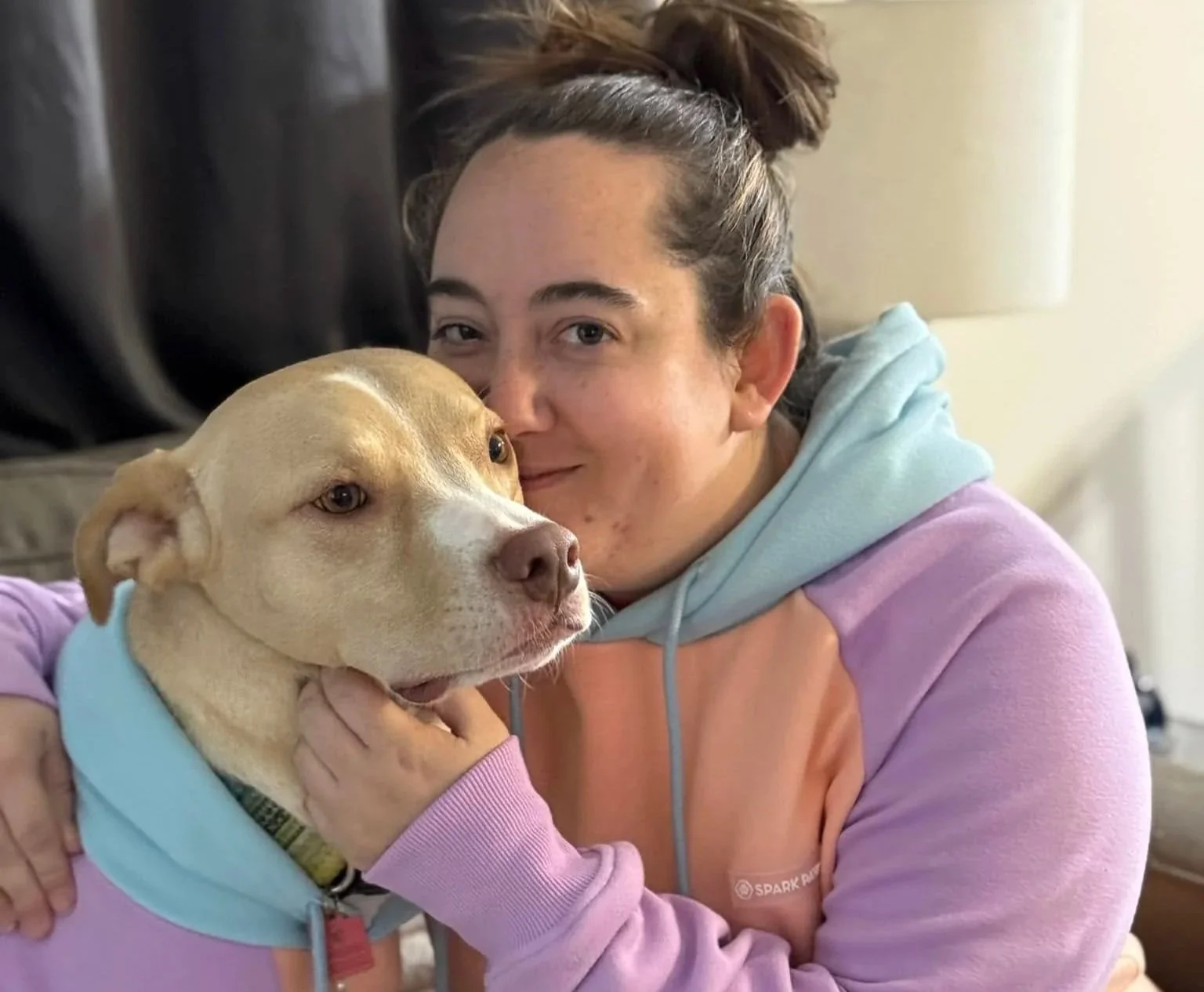
It’s been awhile since I’ve written. Life happens, training happens, and I’ve been busy focusing on my current clients and my own personal dogs. If you know me or work with me (and even if you don’t), then you know how much I love my dogs. I have two. Finnegan is my first-born and my pride and joy. Fionna is my second-born, gets away with everything, and is a wild child. I love my dogs both equally, but Finn has been different than any dog I’ve ever run into before. He’s sweet, gentle, and very sensitive. But back in November, Finn started to develop an issue. This issue stemmed from trauma and a drastic change in his lifestyle.
Finn was born in a family setting. A colleague of mine when I worked at the veterinary hospital, had a dog that got pregnant and was due to have puppies. He was exposed to other dogs, cats, children, and various adults during his critical socialization period so when he came to me, his socialization was extremely good. He loved being around other dogs and enjoyed being handled and getting attention from people. But within the past couple of months Finn experienced a trauma that was not his fault, nor was it his owner’s fault (aka his dad).
Finn experienced two different instances of his sister (Fionna) almost being attacked by a neighborhood dog who continuously gets loose. Both times involved the same traumatic experience. Finn was walking on the sidewalk with Fionna and dad, both dogs were on a leash, and this medium sized pitbull mix that lives 2 houses down ran towards them. The dog was barking, then growled and lunged towards Fionna. Fionna thinks every dog is her friend, so Finn jumped in front of her, grabbed the dog and pinned it down. The other dog realized a mistake had been made, started to scream, Finn let go of the dog, and the dog ran off. There were no injuries to either of my dogs, but talking to this neighbor was impossible as he is argumentative, aggressive, and just not a nice person. Yes I did contact the police about this. No nothing came of it.
When these two attacks happened, Finn recovered easily and went on his way, finishing out his walk and he seemed unbothered. Little did I know that a little storm was brewing inside of him.
At the end of October I was pet-sitting a dog that we had taken into our home many times and both Finn and Fionna were fine with. However, this was a longer stay. She was with us for 2 whole weeks and I could tell something was off with Finn by the end of her stay. During her stay, Fionna and the dog typically play together, but the dog we watch tends to be a bit afraid of Finn’s size so she doesn’t interact with him too much. So Finn ended up being a third wheel for most of the two weeks and I didn’t realize what a profound effect this would have on him.
After the other dog left our home, Finn showed little to no interested in playing with us or Fionna. He slept almost constantly and had 2 instances where he went after other dogs (both situations had extenuating circumstances that may have caused it in the moment) and he had never done this before. He was typically a dog who heard a growl from another dog and walked away, assuming that dog wasn’t interested in playing with him. However, it seemed his behavior had tipped over a bit and he was regressing with some of his training as well including leash training, stay, and other basic training situations. These were all red flags to me and I knew something was going on with my guy.
The FIRST thing I did was schedule a vet exam. I couldn’t get in for a little over a week, so in the meantime I wanted to manage his behaviors by keeping him away from other dogs and making sure to increase his exercise and enrichment time. When we were able to get to our vet appointment, I had a full physical exam for him, bloodwork, and a fecal sample checked. This is the standard I would recommend starting with for any dog with a behavioral change. The reason for this is that if your dog has a medical condition, no amount of training will “fix” the problem. His physical exam came up good except for ongoing allergies (which he’s had all his life). We put him on Apoquel (a drug taken daily for allergies in dogs) to help with the allergies and sent the bloodwork out to the lab. Luckily, everything came back normal and I knew this was more related to trauma and behavioral issues, not a medical condition. Finn was diagnosed with depression, that’s right, dogs can get depression too.
The SECOND thing I needed to do was address his mental well-being. What was I doing that was causing him to become upset? Well, I was taking on a lot of pet-sitting jobs and when we didn’t have another dog in the house, I was staying at someone’s home and watching their dogs, taking me away from him. I was also spending a lot of time working and not as much time with him and Fionna. Then I had to think, what was I NOT doing that he needed? At that time we weren’t taking walks and although we did play outside, it wasn’t as often as I would like. Our enrichment was also lacking. I felt like I was being a bad dog owner…I wasn’t, but it felt that way sometimes. When I took stock of the things that he needed and the things he needed less of, I came up with a game plan.
The game plan was simple. With management, I was going to keep him away from other dogs that he doesn’t know. We were also going to make sure when we took our walks, we walked the opposite way from our neighbor’s home with the dogs. I wanted to make sure we stayed as far away from them as possible. We started taking daily walks around the neighborhood for about 30 minutes and played ball out in the backyard for extended periods multiple times a day. The last thing we did was add in enrichment. I started making KONGs and freezing them weekly, feeding their dinner with snuffle mats or in a rolled up towel, and we started working on training again as well. Finn has always been great with training. We reviewed all his training that he already knew and then we started adding in some pattern games as well as starting some work on a reactivity program. Although Finn is not reactive, I wanted to work this program with him to make sure he is remaining comfortable and happy instead of being in this depression he was in.
We are still working through his program and every day he gets better. He’s happier, he’s playing again, he plays with his sister and his best friend Coral. He’s going on hikes with us and still loves the beach, especially getting in the water (despite it being ice cold). So yes, dogs can get depression, and yes, it can become very apparent that something is not right in their world. Finn is not 100% better, but he’s getting there day-by-day. And I will encourage everyone that if you think something isn’t right with your dog, check with your vet first, then contact a trainer. Make sure your dog is living their best life!